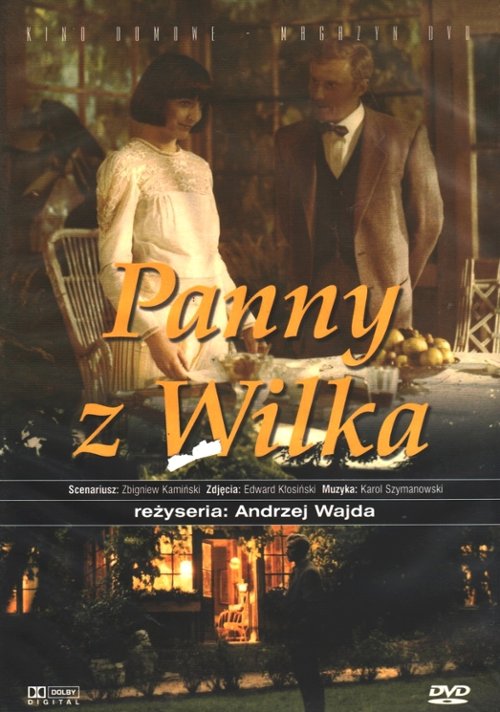
The Maids of Wilko
- Poland
- 1979
- 116'
- es
- FPFF’s 50 for 51: Wajda’s Actresses
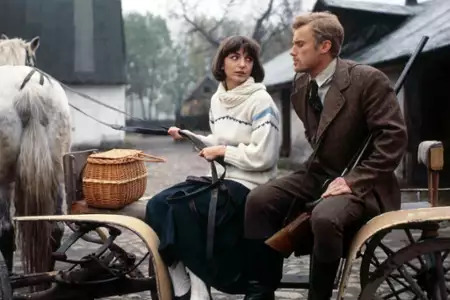
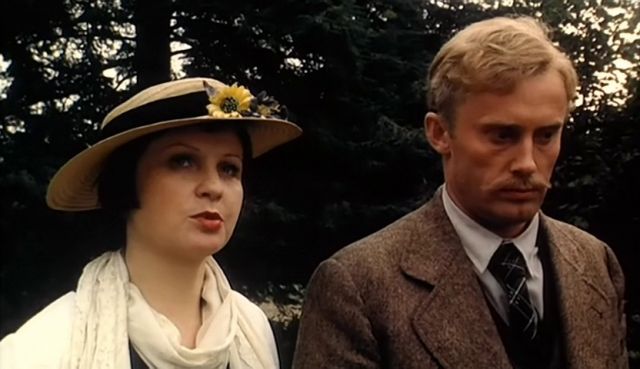
Wiktor Ruben, grief-stricken after the death of a friend, arrives to a manor house occupied by five sisters. It has been more than ten years since he last visited there. All the attempts to find the meaning of life at the Wilku manor turn out to be futile for him. Wiktor’s visit creates a lot of disturbance in the well-established rhythm of life of the five adult women, who are still infatuated with him. It is too late to rebuild the long gone feelings, especially when some of them are closer to being dreams than reality. This is one of the most melancholic films from Andrzej Wajda, and at the same time a model adaptation of the novels by Jarosław Iwaszkiewicz. Packed with nostalgia, it is a visually and musically stunning story about passing, memories, and the inability to go back to what once was. The film was nominated for the Academy Awards for the Best Foreign Language Film.
- Directed by: Andrzej Wajda
- Screenplay: Zbigniew Kamiński, based on a short story penned by Jarosław Iwaszkiewicz
- Photography: Edward Kłosiński
- Music: Karol Szymanowski
- Cast: Daniel Olbrychski, Anna Seniuk, Maja Komorowska, Stanisława Celińska, Krystyna Zachwatowicz, Zbigniew Zapasiewicz
One of the most brilliant Polish film and theatre directors, one of the originators of Polish Film School. He is the author of such film gems as ‘Kanał / Sewer,’ ‘Popiół i diament / Ashes and Diamonds,’ ‘Człowiek z marmuru / Man of Marble,’ ‘Człowiek z żelaza / Man of Iron,’ or ‘Katyń.’ His films frequently dealt with historic events, memory, and moral dilemmas of individuals, combining artistic cinema with profound social and political commentaries. He received the Honorary Academy Award for Lifetime Achievement and the Palme d’Or Prize at the Cannes Film Festival. 2026 is celebrated as the Year of Andrzej Wajda to commemorate the hundredth birth anniversary of the film director and his outstanding contribution to the history of both Polish and international cinema.